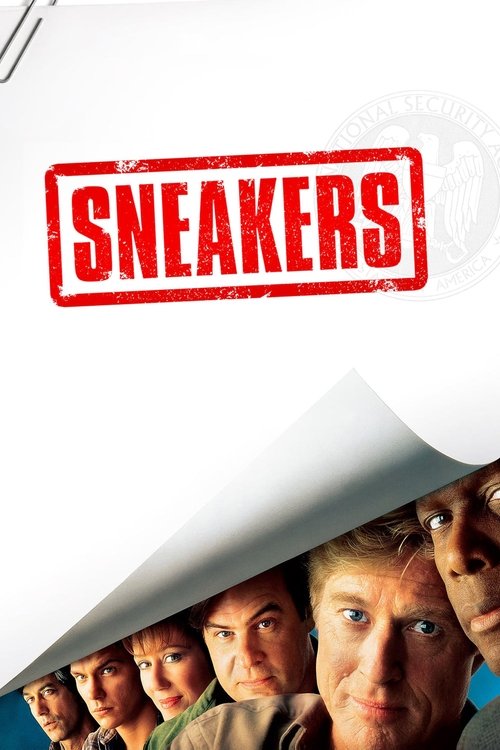
Sneakers
Cosmo: What's wrong with this country, Marty? Money. You taught me that. Evil defense contractors had it, noble causes did not. Politicians are bought and sold like so much chattel. Our problems multiply. Pollution, crime, drugs, poverty, disease, hunger, despair; we throw gobs of money at them! The problems always get worse. Why is that? Because money's most powerful ability is to allow bad people to continue doing bad things at the expense of those who don't have it. > > Martin Bishop: I agree. Now who did you say you were working for?
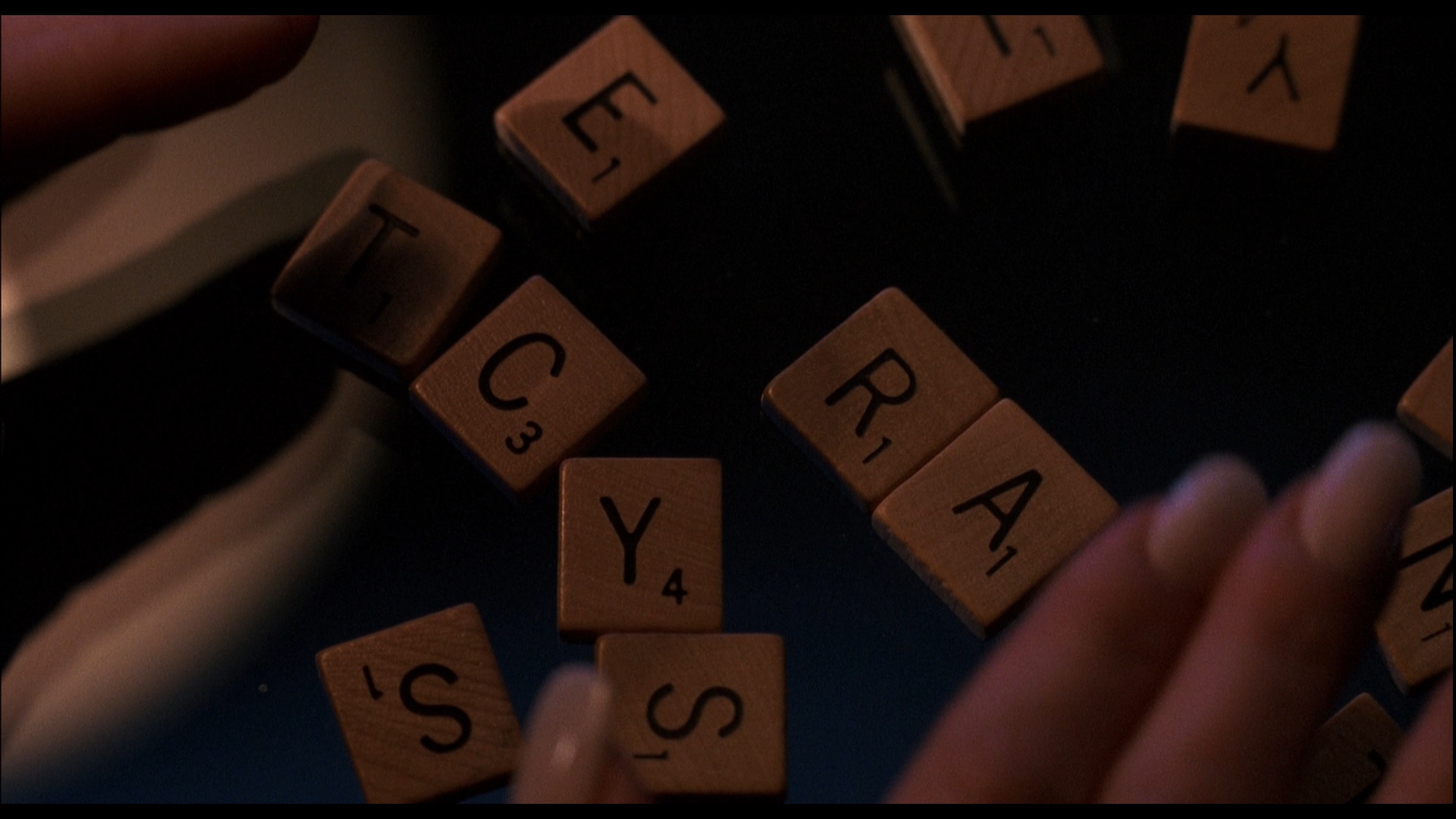
Sneakers is not a great movie. It's also not a particularly bad movie, and it's filled with lots of things to like, if not love. While Redford is perhaps the least convincing red teamer in cinematic history, he's still Robert Redford, and his commanding performance that managed to blend earnestness, guile, and charm is deeply winning, as well as the coterie of scene-chewing performances from the crew that surrounds him. There are a couple of indelible scenes, not the least of which are "Too Many Secrets" and the opening heist that immediately sets you into an understanding of what this movie wants to be. And then there's also a lot of things that probably felt like clichés 30 years ago, and even more so now. But I don't think this movie was trying to be revolutionary, and it succeeded in being a good hang with a lovely and interesting score. I get why people love this. I can imagine that there is an alternate history in which I watched this at six years old and it became a major part of my identity.
And indeed, the movie has a six-year-old's sense of narrative cohesion. how would you describe the final act? robert redford's character lies, tries to pull one over on the mafia, who 30 minutes ago were sufficiently threatening that he could never show his face in public again. but this time they're just going to let him win. then he pulls the same with the us government, who in the first act of the film were sufficiently threatening. and finally, in the postscript, the thing that his character spends the film railing against, the ability for one man to have all of that agency and all of that power. it turns out he uses it anyway to take some money from the RNC. Maybe it's weird to try and ascribe any sense of moral valence to this movie; certainly, it seems like a poor use of mental energy, but one of the things that I often struggle with revisiting films from the 90s and the early aughts is this exact level of tonal whiplash, where in one scene a member of the Russian consulate is shot dead in cold blood, and in the next scene we, the audience, are supposed to laugh at a man behind the man who pulled the trigger.